
Every talk archived. One reel you can actually use.
Every main-stage session recorded end to end, plus a short highlight cut. Audio off your board. Your slides at full resolution.
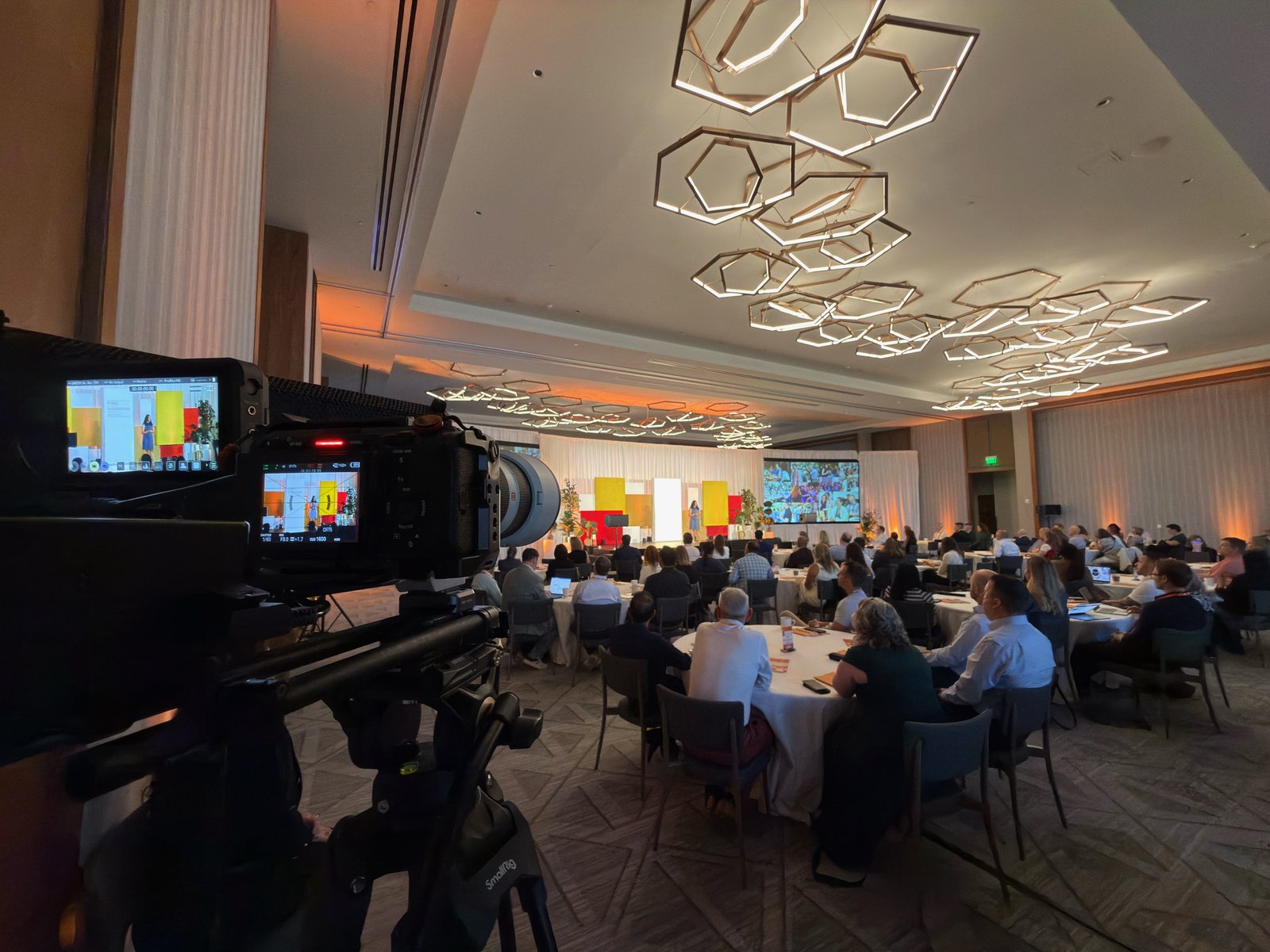
Two deliverables, not one.
The Full Archive
Every session start to finish, slides cut in. Put it behind a login, send it to whoever missed it, hand it to the speaker. It is still earning next year.
The Highlight Reel
The room filling, the speakers, the moments that landed. This is what sells next year's tickets, and it has to exist while people still remember being there.
The details that decide whether it is usable.
Audio Off the Board
A line feed from your AV desk. A camera mic in a large hall records the room, not the speaker, and no edit rescues that. It is why most conference footage goes unwatched.
Your Slides, Not a Filmed Screen
Send the deck. We cut each slide in at full resolution, matched to the moment it appeared. Filming a projection screen is the usual approach, and it looks it.
One Room, Done Right
We cover one room, and we would rather say so than promise four. Your main stage gets a proper multi-angle setup instead of a scramble between breakouts.
One camera cannot be edited.
A single locked-off camera produces a forty-five minute block that nobody watches. Not because the speaker was dull, but because with one angle there is nowhere to cut. Every trim is a visible jump. Three angles is what makes an edit possible at all.
- A wide that never stops rolling. Nothing is ever missing, and it is the angle everything else cuts back to
- A tight on the speaker. This is the one you will actually use, and the one that makes a reel feel like television rather than a recording
- One on the room. Reactions, a full house, people leaning in. It is the difference between footage of a talk and footage of an event
Audio comes off your board on all of it, so the speaker sounds the same on every angle.
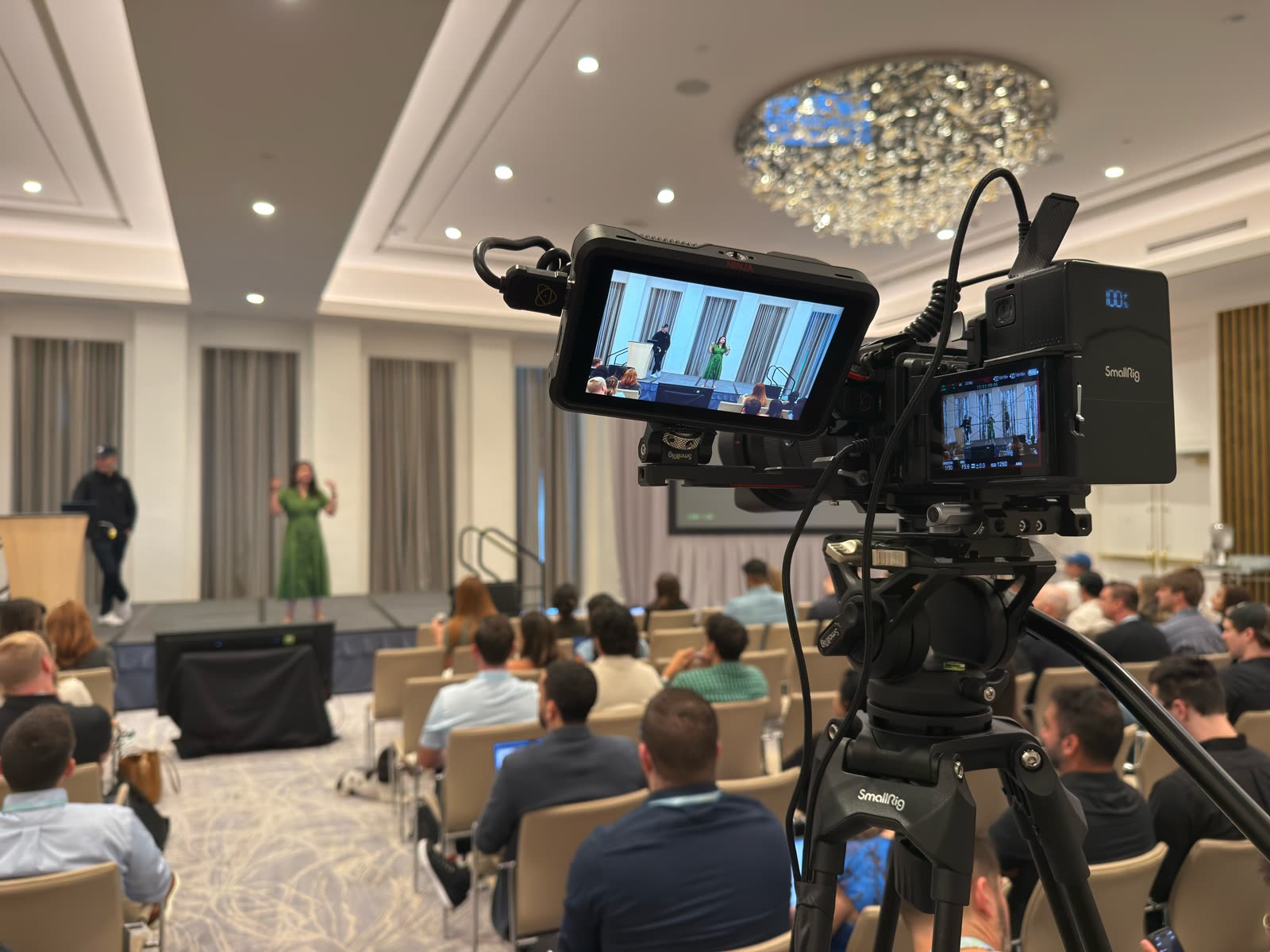
The tight angle at work on a Nashville main stage: its own monitor, audio off the board, the wide and the room camera rolling elsewhere.
The reel from a recent speaker event.
Commissioned by Coldwell Banker Southern Realty. Forty-seven seconds, cut for social. The full session was archived separately for their own library.
Photography on the same day, by the same people.
The people as much as the program: portraits and candids your team will actually use, photographed alongside the video coverage.
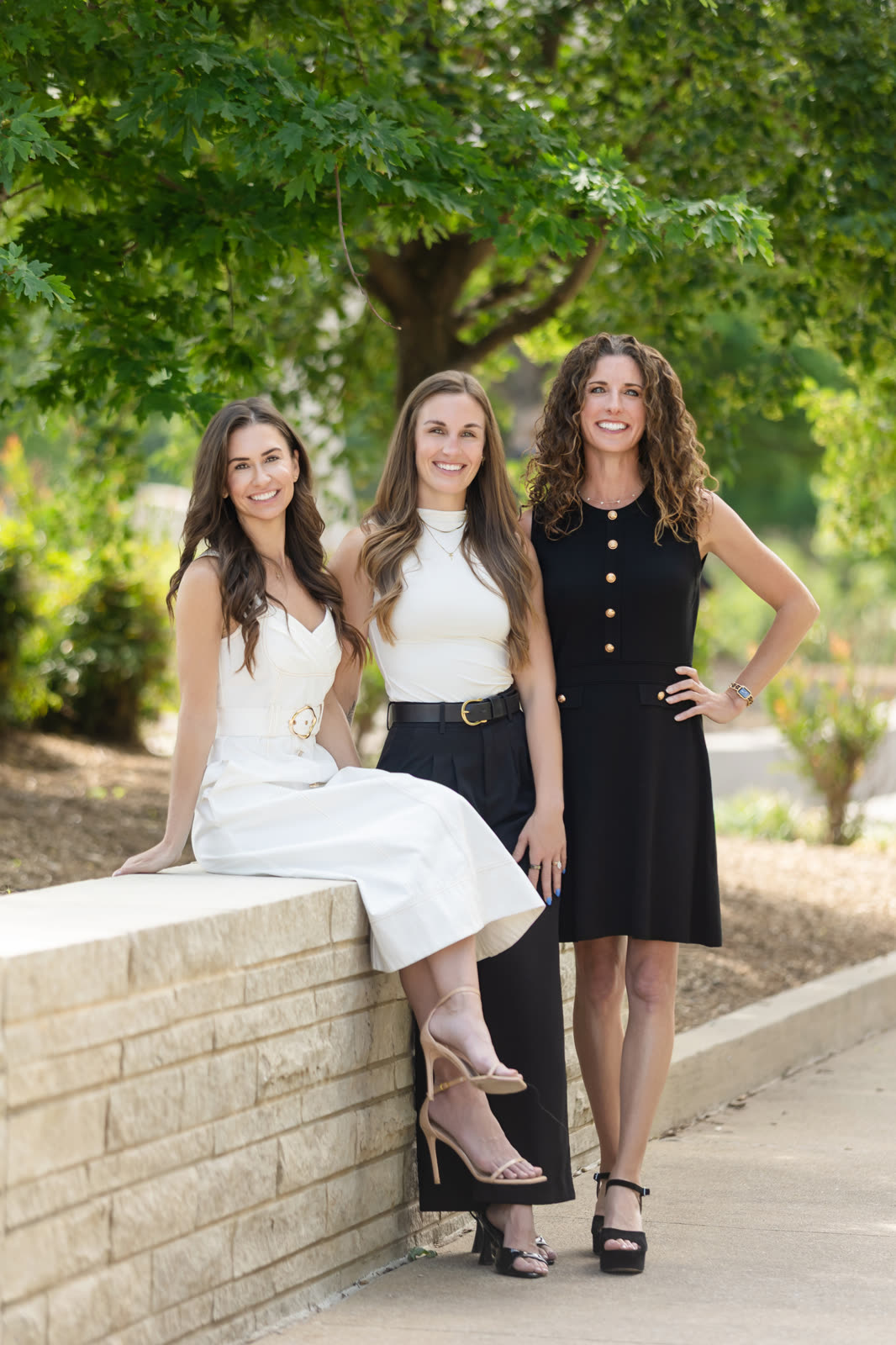
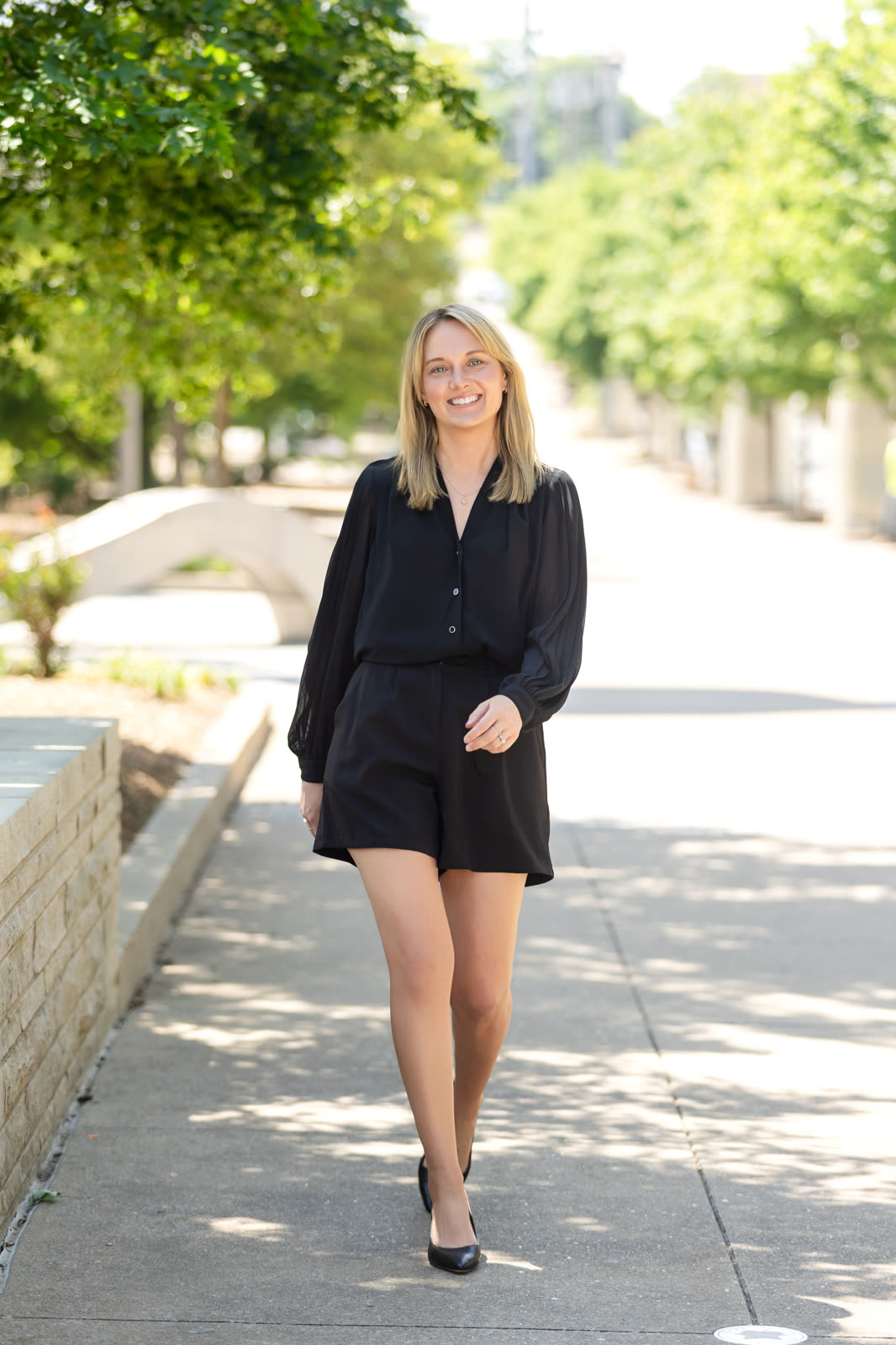
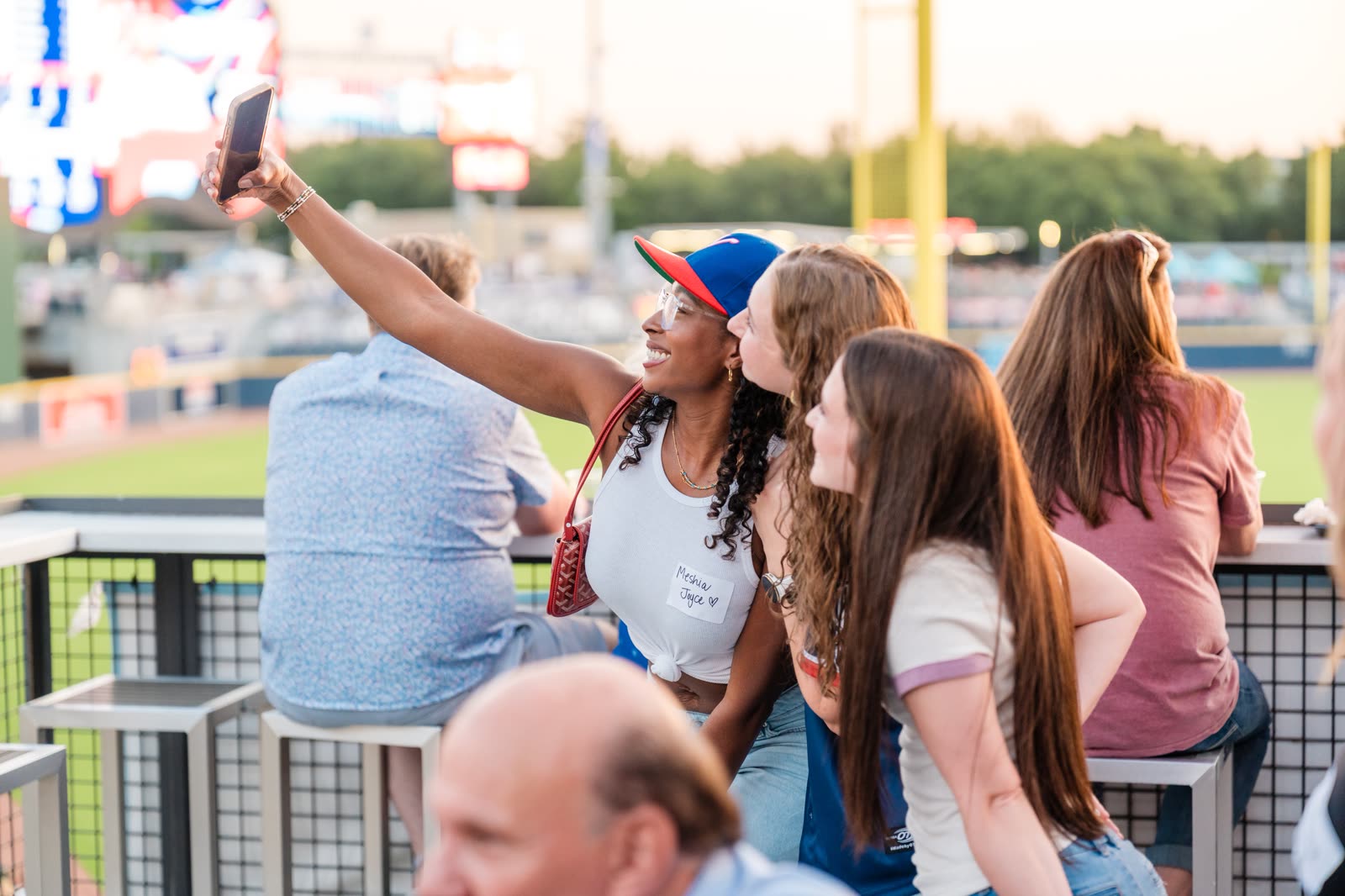
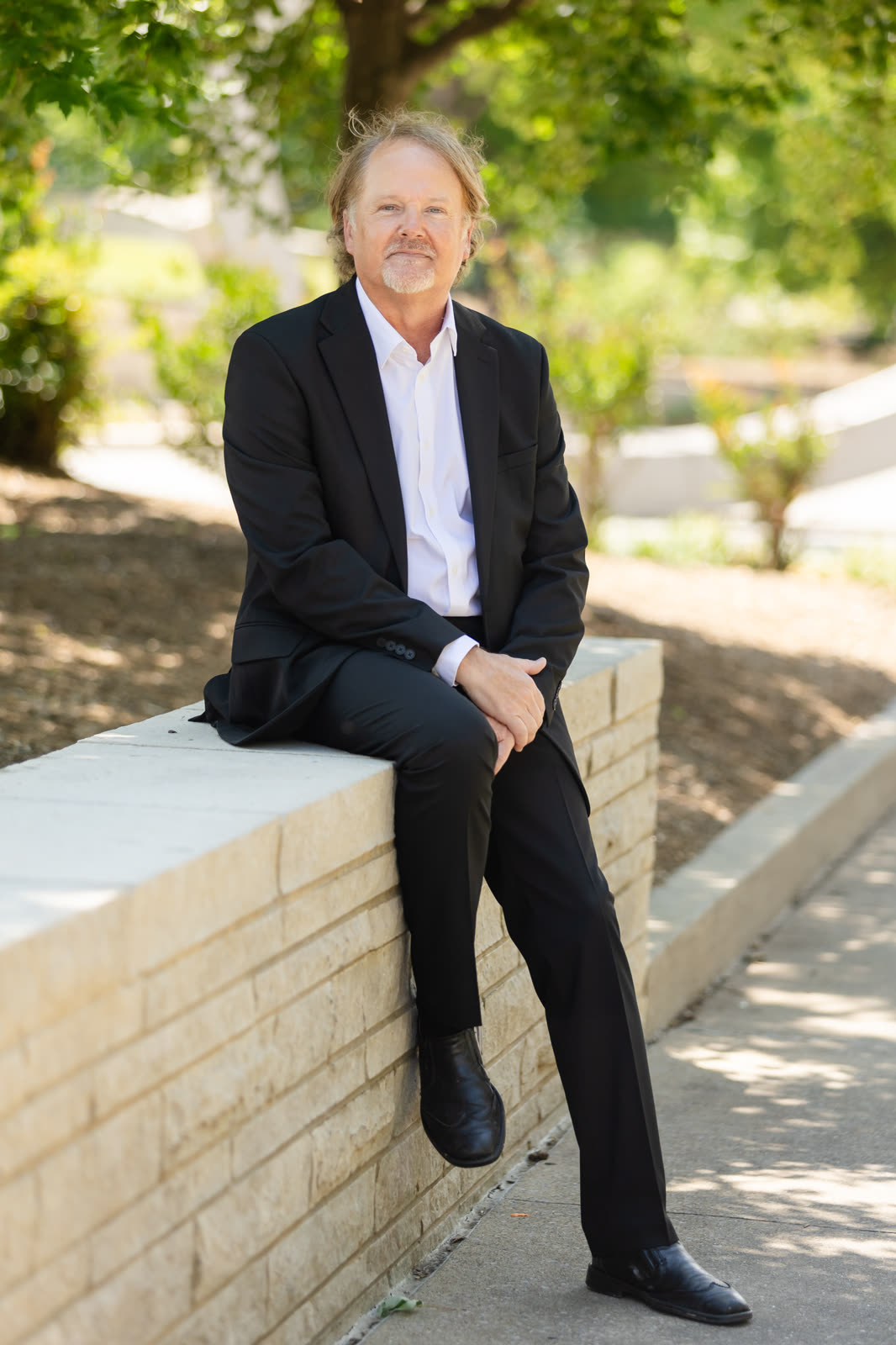
Team portrait days and company outings, photographed on the same productions.
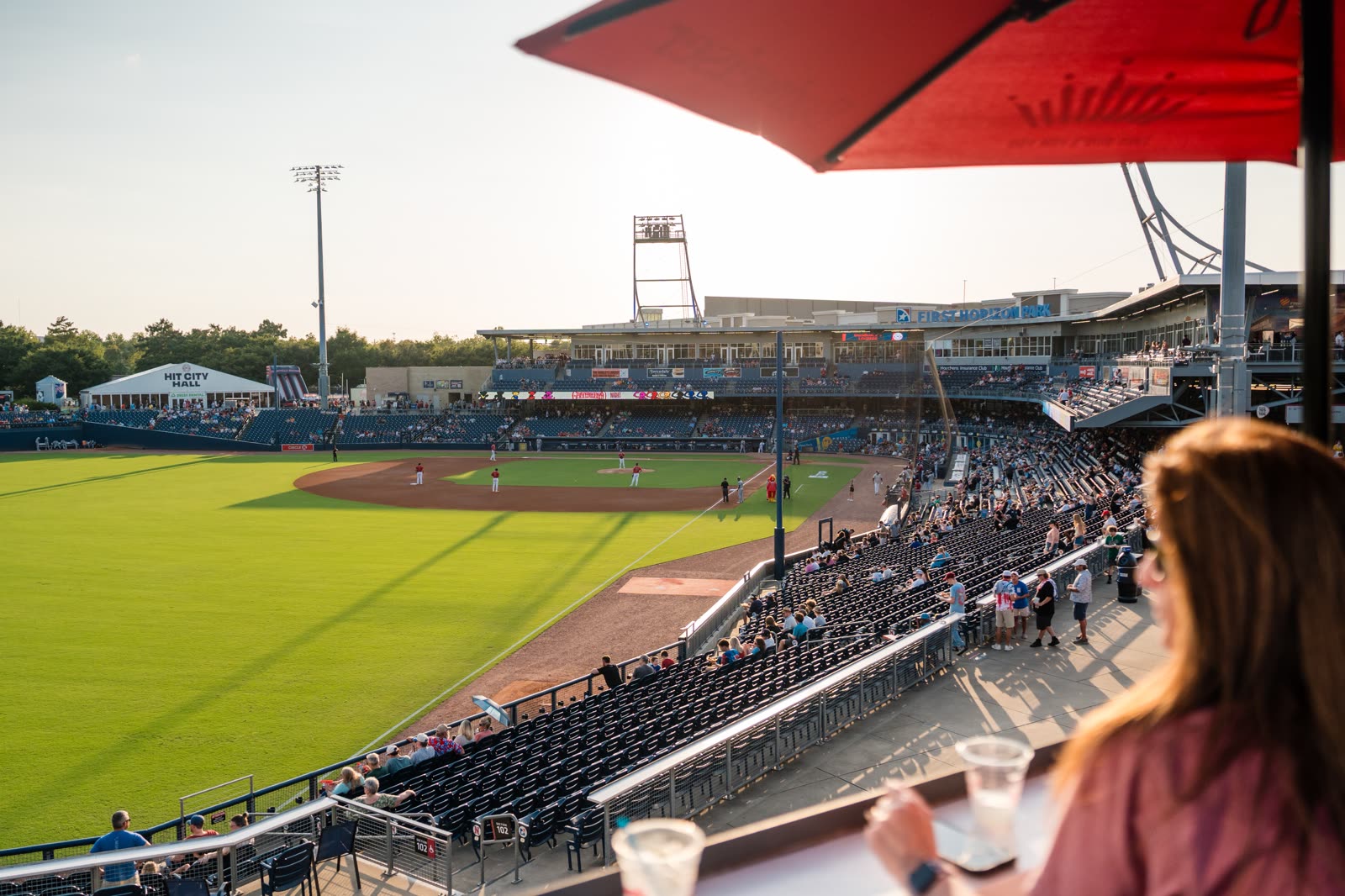
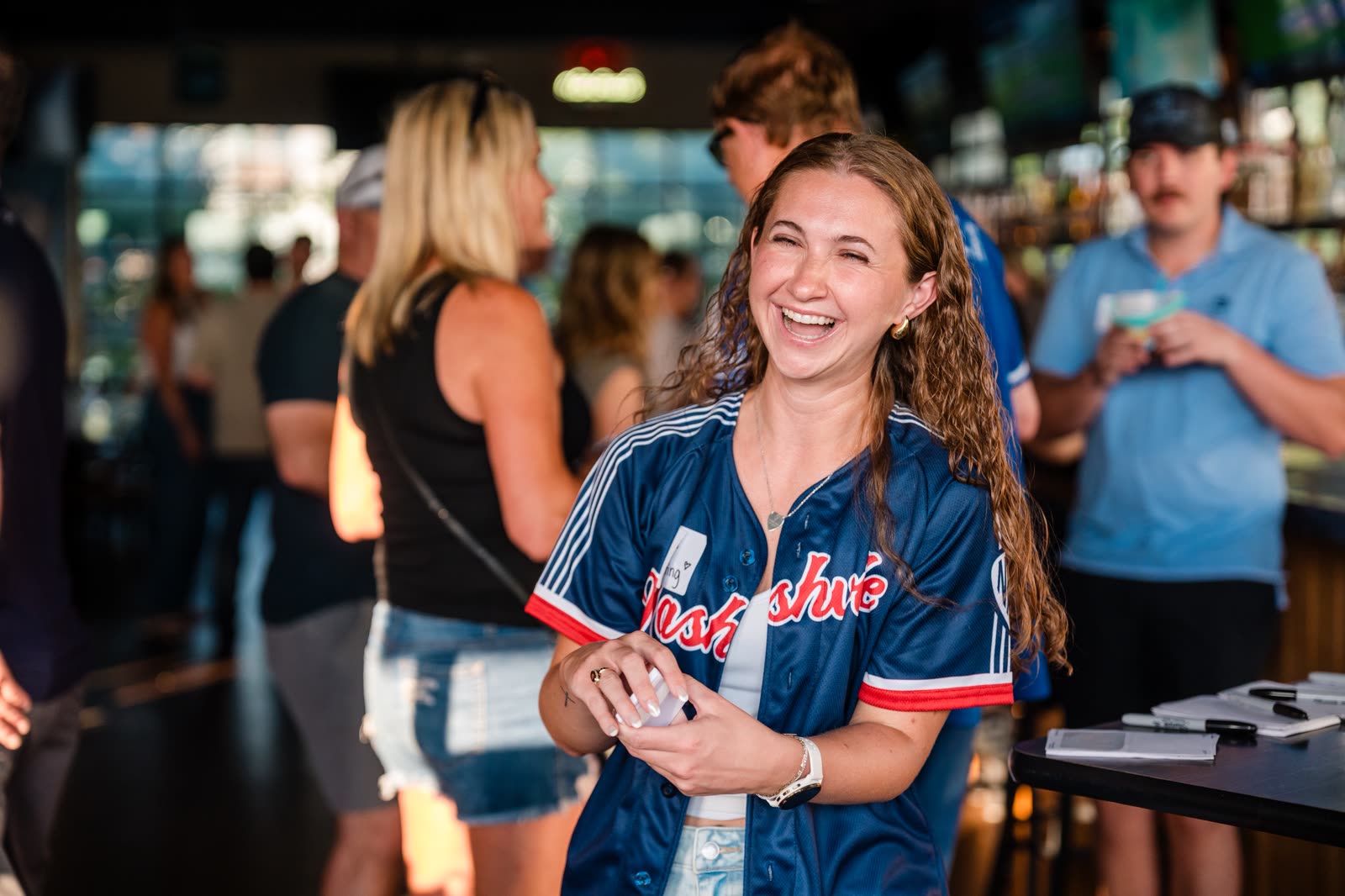
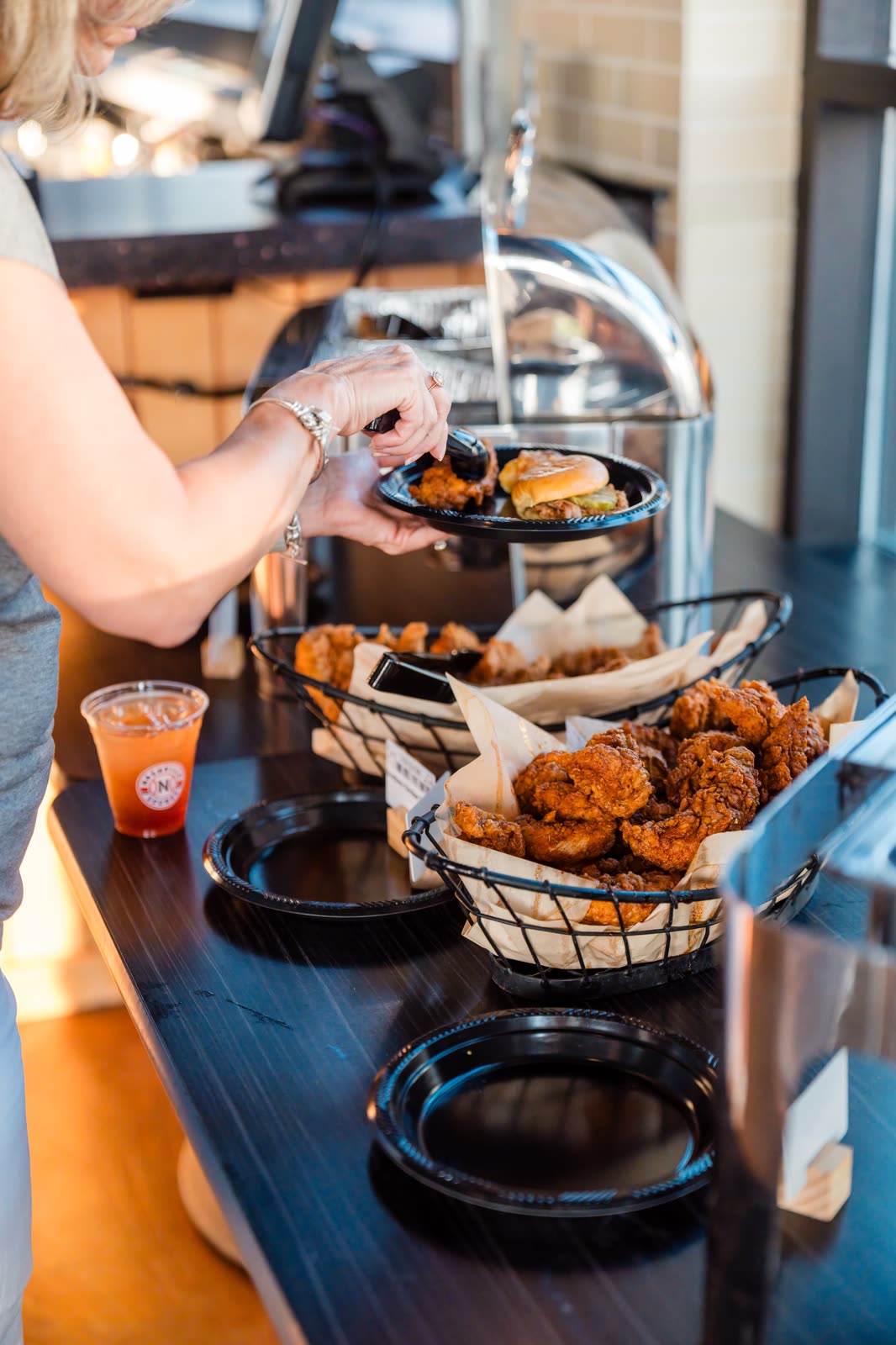
Company outings count too. A brokerage's night at the ballpark, photographed the same evening we filmed the recap. Coldwell Banker Southern Realty at First Horizon Park.
The recap itself: 54 seconds, cut for social, delivered while the outing was still the talk of the office.
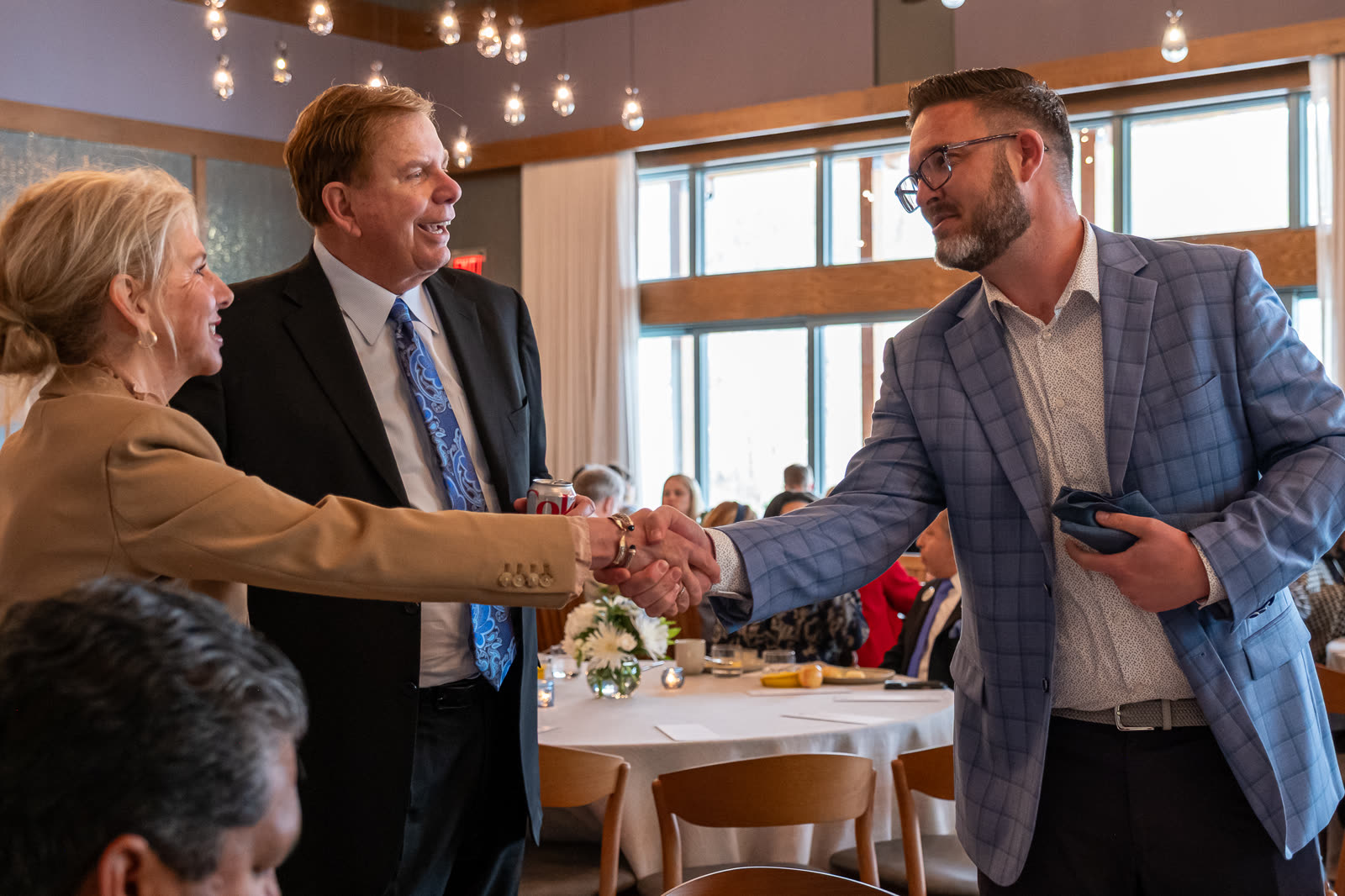
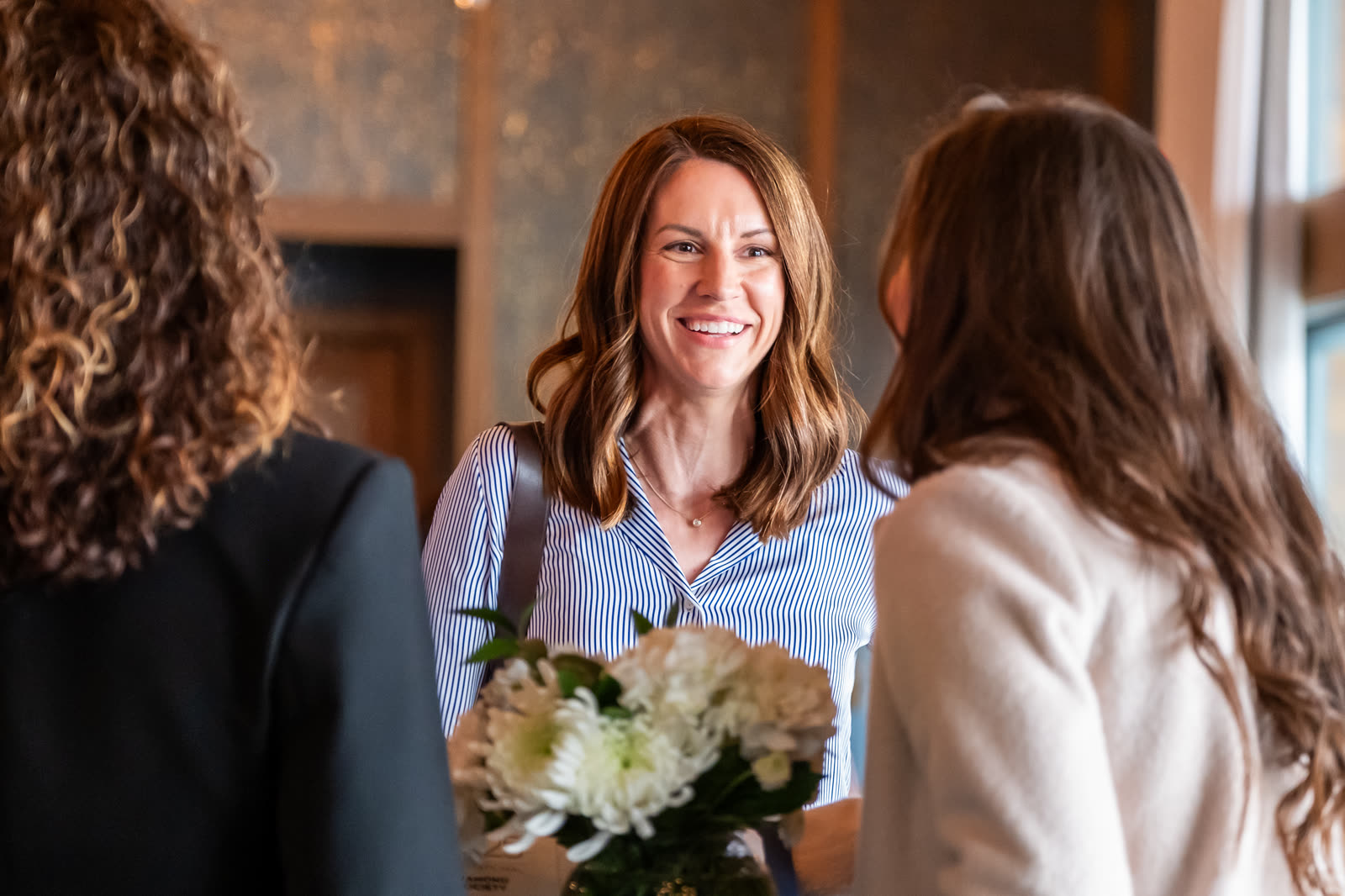
And the awards lunch where the year gets celebrated: the congratulations and the flowers in hand.
The editing is the part most crews outsource.
A reel that lands six weeks after an event has missed its job. The editing happens on our team, not in someone else's queue.
- We have run this two-output model for years on performance work: a full film for the families, a short cut for the website
- A conference is the same shape in a different room: one long record that must be complete, one short cut that must be good
- It is the same reason we can run weekly content for businesses. The edit is never the bottleneck
Specialists, not one person with a camera.
An event happens once. There is no second take on a keynote, which is why the people covering it do this constantly rather than occasionally.
- A photographer who covers live events, where you get one attempt at every moment
- Two videographers, including the owner, so multiple angles are covered by people who know the run of show
- Editing in house, which is the actual reason the reel comes back fast
More on who shows up.
Roughly what to budget.
A full day of main-stage coverage, three cameras, audio off your board, the complete archive and one highlight reel lands around $6,000 for most events.
We do not publish a rate card, because the honest answer depends on the room. A single session with a smaller crew is a much smaller number. What changes it:
- How long we are rolling. One keynote is not a full day
- How many cameras and operators. More angles means more to cut with, and more crew
- How many edits you want back. One reel, or a cutdown for every speaker to share
- Whether you want photography the same day, from the same team
- How fast you need it. Turnaround depends on the event, and we will commit to a date before you book
Tell us the room, the run of show and what you want to do with the footage afterwards, and you will get a real number rather than a range.